Source chafing dish sets for hotel buffet, restaurant serving, and catering
Compare 30 stainless steel chafing dish options from China suppliers. Buyers can evaluate models like XX-733GW and CS-H811G for hotel buffet and restaurant serving applications with fuel heating methods.
Key considerations
Products List


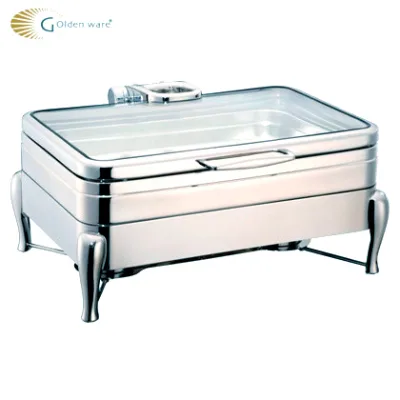
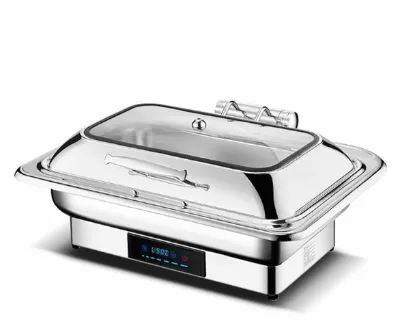


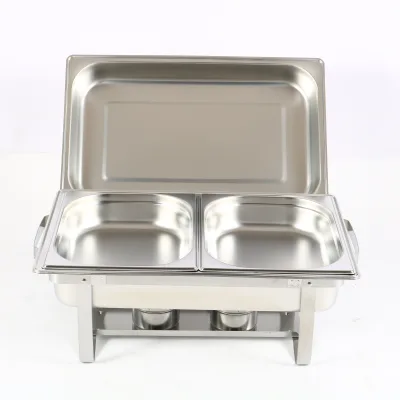


Comprehensive Sourcing Guide
Strategic Sourcing Guide for Stainless Steel Chafing Dishes
The global market for commercial food service equipment relies heavily on the reliability and versatility of chafing dishes. These units are indispensable for maintaining food safety and presentation quality in hotel buffets, catering events, and restaurant serving lines. For procurement professionals, sourcing these items requires a nuanced understanding of material composition, heating mechanisms, and supply chain logistics. The following guide synthesizes available market data to provide a disciplined framework for evaluating suppliers and specifications without relying on unverified claims.
Technical Specifications and Material Composition
The foundation of a high-quality chafing dish lies in its material construction and dimensional specifications. The dominant material observed in the current market is stainless steel, often referred to in technical listings as S/S. This material choice is critical for durability, corrosion resistance, and ease of cleaning in high-volume food service environments. The surface finish is another vital technical attribute; high mirror polishing is a common specification that not only enhances aesthetic appeal but also facilitates hygiene by reducing surface roughness where food particles could adhere.
Buyers must scrutinize the specific model numbers and capacity ratings provided by suppliers. Market data indicates a variety of models, such as XX-733GW, XX-6803GW, and CS-H811G, each potentially serving different operational needs. Capacity is a primary differentiator, with observed units ranging from 8L to 9L. When evaluating technical specs, procurement teams should verify the exact volume to ensure it aligns with the intended food volume and serving frequency. Furthermore, the shape of the unit, typically round in many observed listings, impacts how food is distributed and how the dish fits within standard buffet stations.
The heating mechanism is a critical technical variable. The observed market features fuel-based heating systems, specifically utilizing alcohol fuel. This method provides a consistent, low-temperature heat source ideal for keeping food warm without cooking it further or drying it out. The distinction between "fuel" and specific "alcohol fuel" is important for safety compliance and operational logistics, as it dictates the type of fuel canisters required and the ventilation needs of the serving area.
Compliance, Certification, and Safety Standards
In the realm of commercial food equipment, compliance with safety and material standards is non-negotiable. While specific certification bodies are not explicitly detailed in the provided product attributes, the presence of a "prod_standard: A" designation suggests adherence to a defined industry benchmark. Buyers must verify what this standard entails, as it could range from local manufacturing regulations to international food safety protocols.
The origin of the product is a significant factor in compliance. The majority of observed listings indicate production in China, with specific mentions of Guangdong as a manufacturing hub. This geographic concentration often implies a mature supply chain but requires rigorous vetting of the supplier's quality management systems. Buyers should request documentation confirming that the stainless steel used meets food-grade standards, ensuring no harmful leaching occurs during the heating process.
Safety regarding the heating element is paramount. Since the heating method relies on alcohol fuel, the design must prevent tipping, ensure stable combustion, and minimize fire risks. The "Warranty: Two Years" observed in some listings is a strong indicator of manufacturer confidence in their safety engineering, but this should be cross-referenced with the specific terms and conditions provided by the supplier. Buyers should also verify that the product meets local fire codes regarding open-flame or fuel-burning devices in their specific jurisdiction.
Cost Drivers and Pricing Dynamics
Understanding the cost structure of chafing dishes is essential for budgeting and negotiation. The observed price range in the market spans from $11.3 to $466.47 USD. This wide variance is driven by several key factors, including the thickness of the stainless steel, the complexity of the design, and the level of customization. A unit priced at the lower end of the spectrum may utilize thinner gauge steel or simpler construction, while premium units likely feature high mirror polishing, reinforced frames, and specialized handles.
Customization is a significant cost driver. The market data confirms that customization is available, including options for logos (CS/OEM) and specific color finishes like Gold or Origin. These value-added services typically increase the unit cost and may affect the Minimum Order Quantity (MOQ). The observed MOQ range is broad, spanning from 1 to 1000 units. This flexibility allows buyers to source small quantities for testing or pilot programs, but larger orders often yield better per-unit economics.
Packaging details also influence the final landed cost. Listings mention various packaging options, from single poly bags to export cartons and color boxes. The choice of packaging affects shipping volume and weight, which directly impacts freight charges. For instance, a "Brown export carton" is standard for bulk shipping, while "Color Box" options are often reserved for retail-ready units, adding to the overall cost. Buyers should calculate the total cost of ownership, including freight, duties, and packaging, rather than focusing solely on the unit price.
Typical Applications and Operational Use Cases
Chafing dishes serve a diverse range of applications, primarily centered around food service and hospitality. The primary usage category identified is "Restaurant Serving Chafing Dish," indicating their role in maintaining food temperature during service. In hotel settings, they are classified as "Hotel Buffet Food Equipment," highlighting their importance in large-scale self-service environments where food must remain safe and appetizing for extended periods.
The functional requirement is explicitly listed as "Cooking Food," though in the context of chafing dishes, this usually refers to the warming and holding of pre-cooked items rather than active cooking. The "Unique Chafing Dishes" classification suggests that some models may offer specialized features for specific culinary presentations. The versatility of these units allows them to be used in various scenarios, from corporate catering events to wedding receptions and large banquet halls.
The capacity of the unit, whether 8L or 9L, dictates its suitability for different menu items. Larger capacities are ideal for staple dishes like rice, pasta, or soups, while smaller units may be better suited for side dishes or condiments. The shape, typically round, offers a uniform distribution of heat and a classic aesthetic that fits most buffet table designs. Buyers should match the capacity and shape to the specific menu requirements to ensure operational efficiency.
Supplier Evaluation and Supply Chain Logistics
Evaluating suppliers requires a focus on their manufacturing capabilities, delivery terms, and logistical support. The market data highlights "Professional Factory" as a key advantage, suggesting that direct manufacturers are prevalent. This is beneficial for buyers seeking competitive pricing and direct communication regarding product specifications. However, the presence of "Brand name: Golden Ware" and "DINGGUAN" indicates that both private label and branded options are available.
Logistics is a critical component of the procurement process. The observed delivery lead time is "Within 35 Days After Deposit," which is a standard timeframe for manufacturing and shipping. Buyers must factor this into their event planning or inventory management schedules. The port of dispatch is listed as "EXW by collection, Or FOB Shenzhen port of China," offering flexibility in shipping arrangements. For international buyers, understanding the Incoterms is essential to determine who is responsible for freight and insurance.
Payment terms are another area of evaluation. The standard term observed is "T/T 30% Deposit," which is common in the industry. Buyers should negotiate terms that protect their interests, such as milestone payments or letters of credit for large orders. The "Supply Ability: 1000 pieces per Month" indicates that suppliers have the capacity to handle moderate to large orders, but buyers should confirm this capacity against their specific volume requirements to avoid delays.
Quality Control and Long-Term Procurement Considerations
Ensuring consistent quality is vital for maintaining the reputation of the food service operation. The "High Mirror Polishing" surface finish is a quality indicator that should be verified upon receipt. Buyers should inspect for scratches, uneven plating, or structural weaknesses, particularly in the handles and frame. The "Warranty: Two Years" provides a safety net for manufacturing defects, but the claims process should be clearly understood before purchase.
Long-term procurement considerations include the availability of spare parts and the durability of the product. Stainless steel units are generally long-lasting, but components like fuel burners and lids may require replacement over time. Buyers should inquire about the availability of replacement parts and the cost of maintenance. Additionally, the "Design: Brand-new & Fashionable" attribute suggests that suppliers are updating their product lines, which is positive for buyers looking for modern aesthetics.
Sample support is a valuable tool for quality verification. The market data confirms that samples are supported, allowing buyers to physically inspect the product before committing to a large order. This step is crucial for validating the material thickness, the effectiveness of the heating system, and the overall build quality. By leveraging sample testing and clear communication with suppliers, buyers can mitigate risks and ensure a successful procurement cycle.
Comparative Analysis of Product Attributes
To facilitate decision-making, the following table summarizes key attributes observed in the market for chafing dishes. This comparison highlights the variability in specifications that buyers must navigate.
| Attribute Category | Observed Options | Procurement Consideration |
|---|---|---|
| Material | Stainless Steel (S/S) | Verify food-grade certification and thickness. |
| Surface Finish | High Mirror Polishing | Check for uniformity and resistance to scratching. |
| Heating Method | Fuel (Alcohol Fuel) | Ensure compatibility with local fuel regulations. |
| Capacity | 8L, 9L | Match to menu volume and serving frequency. |
| Shape | Round | Confirm fit with existing buffet station dimensions. |
| Origin | China (Guangdong) | Verify factory audit and quality control processes. |
| Lead Time | Within 35 Days After Deposit | Plan inventory and event schedules accordingly. |
| Customization | Available (Logo, Color) | Confirm MOQ impact and additional costs. |
| Warranty | Two Years | Review terms for coverage and claim procedures. |
This structured approach to sourcing ensures that buyers make informed decisions based on verified data rather than marketing claims. By focusing on technical specifications, compliance, and supplier reliability, procurement teams can secure high-quality chafing dishes that meet the rigorous demands of modern food service operations.
FAQs
What material is used for stainless steel chafing dishes?
The primary material is stainless steel, often labeled as S/S in specifications. This construction ensures durability and corrosion resistance for high-volume food service environments while maintaining hygiene standards.
How are these chafing dishes heated?
They utilize a fuel-based heating method, specifically alcohol fuel, to maintain food temperature. This system provides consistent low-temperature heat ideal for keeping pre-cooked items warm without further cooking.
Which capacity options are available for these units?
Observed capacity ratings include 8L and 9L options to suit different menu requirements. Buyers should verify the exact volume to ensure it aligns with the intended food volume and serving frequency for their specific event.
Can customization be requested for these chafing dishes?
Customization is available, including options for logos like CS/OEM and specific color finishes such as Gold or Origin. These value-added services may affect the unit cost and minimum order quantity requirements.
What is the typical delivery lead time for orders?
Delivery typically occurs within 35 days after the deposit is received. This timeframe accounts for manufacturing and shipping processes, so buyers must factor this into their event planning or inventory management schedules.
Where are these chafing dishes manufactured?
The products originate from China, with specific manufacturing hubs located in Guangdong. This geographic concentration implies a mature supply chain, though buyers should verify quality management systems for compliance.